


Mycosis of the feet(Dermatophytosis,Tinea pedis) is a skin disease of the feet caused by pathogenic or opportunistic fungi.Skin changes on the feet are characterized by peeling that is accompanied by itching.In severe lesions, against a background of red and swollen skin, erosions and deep cracks appear on the soles of the feet and in the spaces between the toes, which are accompanied by pain and make walking difficult.
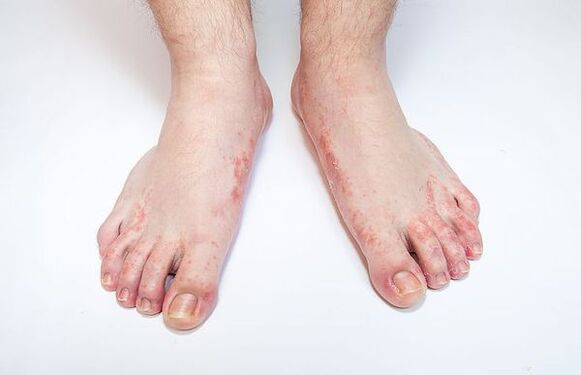
The International Classification of Diseases, 10th Revision (ICD-10) code is B35.3.
The advent of modern antimycotics has improved the epidemiological situation, but mycosis of the feet remains one of the biggest problems in dermatovenereology.The use of some medications is restricted for older people and patients with chronic illnesses.
Prevalence of mycoses of the feet.According to the World Health Organization (WHO), about a third of the world's population suffers from fungal diseases, of which mycoses of the feet are the most common;The incidence is increasing every year.
According to dermatologists, 10-20% of the adult population suffers from mycoses of the feet;The disease occurs 2 times more often in men than in women, and more often in older people than in young people.At the age of over 70, mycosis of the feet is recorded in every second patient, which is accompanied by an increase in accompanying metabolic and vascular changes (diabetes mellitus, varicose veins, etc.).Mycoses on the feet are increasingly being diagnosed in children.
Millions of people are currently affected by this disease.Workers in many professions are at risk: miners, athletes and military personnel.
Causes of mycosis of the feet.The most common causes of mycoses on the feet are dermatomycete fungi: Trichophyton rubrum (90%), Trichophyton mentagrophytes and, more rarely, Epidermophyton.Sometimes mycosis of the feet can be caused by fungi of the genus Candida.
Risk factors for mycosis of the feet:
- Exogenous (external): microtrauma of the skin of the feet (calluses, corns), cracks, increased sweating, wearing tight shoes, shoes made of artificial materials, non-observance of personal hygiene rules, irregular washing of feet and poor drying with a towel.
- Endogenous (internal): varicose veins and vegetative-vascular dystonia, leading to insufficient blood supply to the skin of the feet;hypovitaminosis;Taking glucocorticosteroids, cytostatics, antibacterial drugs and estrogen-progestogen drugs, which reduce the body's general immunity.
Infection with mycoses of the feet can come directly from a sick person, but it can also be transmitted through contact and household contact (in the swimming pool, bathhouse, gym, through shoes, towels, carpets, etc.).
If you notice similar symptoms, contact your doctor.Do not self-medicate - it is dangerous to your health!
Symptoms of mycosis of the feet
The main symptoms of mycosis of the feet:
- Itching;
- small cracks;
- erythema;
- Peeling;
- Blow;
- keratinization of the skin;
- unpleasant and pungent smell;
- burning, painful sensations.
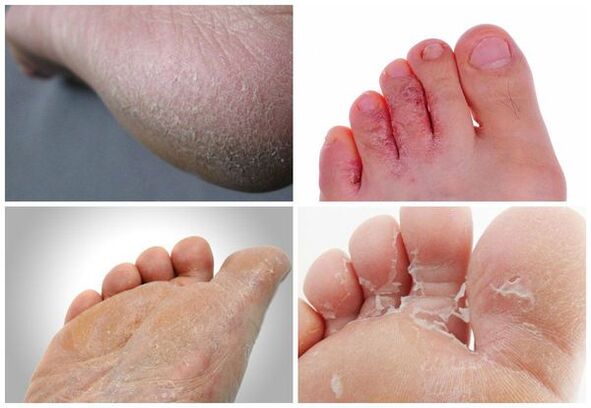
The first signs of mycosis of the feet appear in the form of itching and burning in the interdigital folds of the feet, the skin begins to peel, crack, redden, and signs of swelling and inflammation appear.Complications can occur in the form of diaper rash and skin eczema.
Types of mycoses of the feet:
- erased – manifested by moderate itching and hyperemia (redness) of the skin;
- acute – accompanied by severe itching and skin damage in the form of cracks;
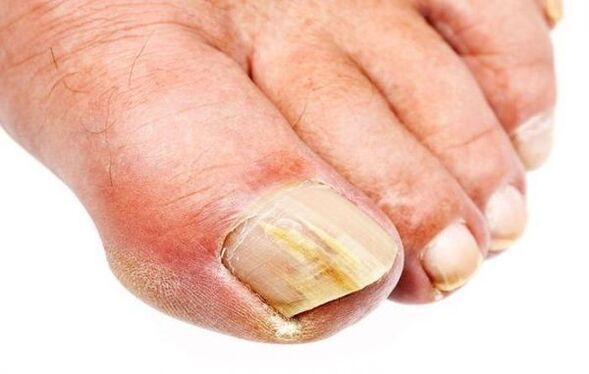
- Mycosis of nails (onychomycosis) – manifested by damage to the nail plates, which become thick and change color;
- diaper-like - wet spots form;
- Squamous cell carcinoma - lamellar scales appear;
- hyperkeratotic – accompanied by rashes in the form of papules and plaques on the arches of the feet;
- dyshidrotic – occurs with the development of swelling, weeping areas and blisters.
Pathogenesis of mycosis of the feet
Skin is the largest organ in the human body, accounting for 15% of total body weight.It performs many functions, most importantly, it protects the body from the effects of external factors of a physical, chemical and biological nature, from water loss, and is also involved in thermoregulation.The skin consists of three layers: epidermis, dermis and subcutaneous fat.
The epidermis (outer layer of skin) is the main barrier for fungi to penetrate the skin.It is a multilayered, keratinizing squamous epithelium, which in turn consists of five layers and acts as a barrier.Keratinocytes are the main cells of the epidermis.They contain the protein keratin, which forms the outer layer of skin and gives it elasticity and strength.The keratinized cells of the epidermis are constantly exfoliated.
Dermatomycetes produce enzymes - keratinases that destroy keratin.This causes the fungi to penetrate the superficial layers of the skin and persist there.The cell wall of dermatomycetes contains manans, substances that can suppress local cellular immunity.The fungus T. rubrum prevents the proliferation of keratinocytes through the action of manans, which slows down the desquamation of the horny scales from the skin surface and leads to a chronic course of infection.
Classification and stages of development of mycosis of the feet
Classification depending on pathogen:
- Keratomycosis (pityriasis versicolor).
- Dermatophytosis (microsporia, superficial trichophytosis, mycosis of the feet, mycosis of smooth skin, mycosis of inguinal folds, onychomycosis).
- Candidiasis (candidiasis of the skin, nails).
- Deep mycoses (blastomycosis, sporotrichosis, chromomycosis).
Classification according to ICD-10:
- B35.1 – Mycosis of the nails.
- B35.2 – Mycosis of the hands.
- B35.3 – Mycosis of the feet.
- B37.2 – Candidiasis of the skin and nails.
Classification by localization:
- Mycosis of the skin.
- Mycosis of wrinkles.
- Mycosis of the hands.
- Mycosis of the feet (squamous cell carcinoma, hyperkeratotic, intertriginous, dyshidrotic form).
- Onychomycosis (distal, superficial, proximal).
Classification by clinic:
- Deleted formmanifests itself by peeling of the interdigital folds III–IV of the feet.Minor peeling may also occur on the soles and sides of the feet.
- Intertriginous formis manifested by hyperemia in the interdigital folds of the feet, the appearance of blisters is also possible, which leads to the formation of erosions and cracks.Itching and burning are subjectively noted.
- With dyshidrotic formGrouped blisters appear on the skin of the arches and lateral surfaces of the feet.They appear more often on healthy skin, then increase in size, merge and form larger multi-chambered blisters.When the blisters open, erosions form.
- Squamous cell carcinoma-hyperkeratotic formcharacterized by local or widespread thickening of the stratum corneum of the lateral and plantar surfaces of the feet.The affected skin areas are covered with small pityriasis-like scales.The peeling is particularly noticeable in skin folds.The cracks cause pain when walking.
Classification by clinics is very convenient from a practical point of view for determining further treatment tactics and monitoring the patient.
The causative agent of the disease can be assessed based on the clinical picture.For example, the dyshidrotic form often occurs in mycoses of the feet caused by Trichophyton mentagrophytes var.interdigital, the squamous hyperkeratotic form is more often associated with T. rubrum, the chronic course and widespread process are characteristic of opportunistic fungi Candida spp.and Aspergillus.
Complications of mycosis of the feet
- Allergy to fungi.Under the influence of fungi, polyvalent sensitization occurs, i.e.h.The body becomes more sensitive to the fungal waste products that are foreign to us and have strong allergens.The body reacts more sharply, which is manifested by various skin rashes and reactions, as well as chronic diseases of an allergic nature, such as skin eczema.The development or worsening of pathologies such as bronchial asthma, allergic dermatitis, seborrheic dermatitis and psoriasis is possible.In addition, occupational allergic complications and drug intolerance may occur more frequently.
- Pyoderma- pustular skin diseases (cellulitis, lymphangitis, phlegmon and osteomyelitis of the foot bones), which can lead to deep skin wounds that do not heal in the long term.Pyoderma occurs when bacteria easily enter through erosions and cracks in the skin (the “gateway of infection”).At the same time, the temperature rises, weakness and malaise appear, which requires immediate surgical correction.
- Increase in viral complicationsin the form of warts due to hyperkeratosis and cracks.The reason is a violation of the protective function of the skin, which makes it more susceptible to infections, including viral ones.
- General decrease in immunityand impaired microcirculation in the lower extremities in patients with concomitant somatic diseases such as diabetes mellitus and varicose veins.
- Spread of the disease to the nails and skin of the hands.When nail fungus occurs, deformation, ingrown nail, panaritium (purulent inflammation of the finger tissue), paronychia (inflammation of the periungual fold) and complete detachment of the nail plates occur.
- Deterioration in quality of life.Acute forms of mycosis of the feet are painful, make it difficult to wear shoes and are accompanied by the development of lymphadenitis with poor general condition and fever.
Diagnosis of mycosis of the feet
The diagnosis of mycosis of the feet is based on the patient's complaints, medical history, clinical picture and laboratory results.Mycoses of the feet are among the diseases that absolutely require laboratory testing to confirm the clinical diagnosis.
The main method for confirming the diagnosis of mycosis of the feet is microscopic examination and culture.The material is flakes of skin scraped from the lesion on the skin with a scalpel or glass;less commonly, an adhesive tape test is used.
Laboratory diagnosticsMycoses involves the microscopic and cultural examination of the material for fungi.Microscopic examinationis an express method for pathogen diagnostics that makes it possible to recognize the structure of fungi within a few hours.Microscopic examination may reveal fungal elements in the form of mycelial threads and spores.The disadvantage of the method is that both false-positive and false-negative results can be obtained, which depends on many factors: the technique of taking material, the peculiarities of storage and transportation, etc.
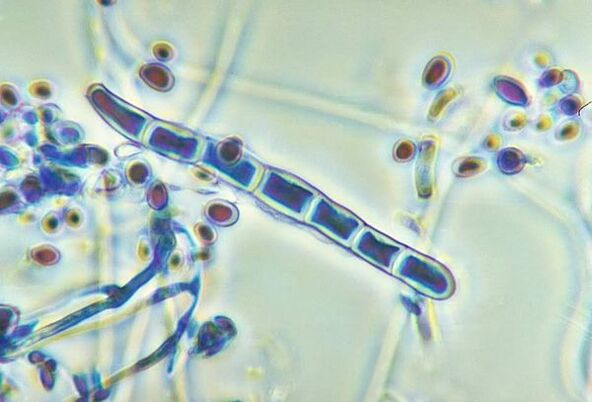
Culture methodis the most accurate diagnostic method that makes it possible to identify the type of fungus and prescribe pathogenetic therapy.To prepare for the analysis, the patient is not recommended to use antifungal drugs alone for 1 month.
When prescribing systemic antifungal therapy, this is recommendedbiochemical blood testto determine the level of bilirubin, AST and ALT in connection with the need to monitor the function of the liver and biliary tract, as well as to prevent possible complications.
Differential diagnosis of mycosis of the feet:
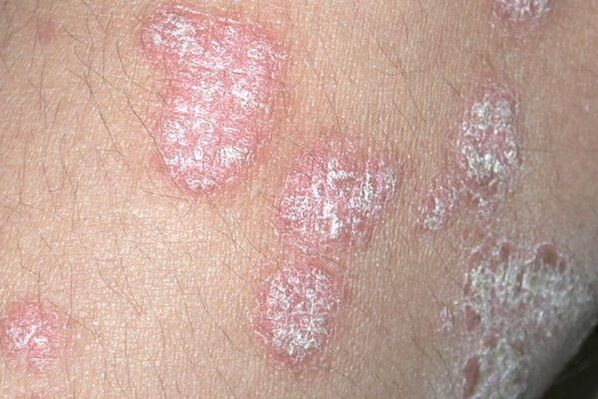
- The squamous cell carcinoma form is differentiated from psoriasis, eczema and keratoderma.
- The interdigital form is distinguished from impetigo, diaper rash and candidiasis.
- The dyshidrotic form is differentiated from palmoplantar pustulosis.
Treatment of mycoses of the feet
Treatment should be carried out under the supervision of a dermatologist.
The main task in the fight against mycoses of the feet is to identify, detect and treat them in a timely manner before the development of nail fungus, which requires longer and more complex therapy (systemic antifungal therapy).At the same time, it is important to have effective drugs that correspond to the modern clinical features of foot mycoses.
Before starting to treat a disease, the dermatologist chooses between possible treatment options.In most cases, medications are prescribed for topical use.The basis of treatment is the use of antimycotics with a variety of effects.Drugs and medications that improve blood circulation are also used to eliminate the main symptoms:
- Antimycotics for external therapy: Apply externally 1-2 times a day for 4 weeks.
- With severe hyperkeratosis of the feet, peeling therapy is first carried out: a drug from the group of azole derivatives, once a day for 3-4 days, which acts as a keratolytic, that is, removes the rough layer, thereby preparing the skin and improving the penetration of antifungal drugs into the dermis.
- If bubbles are present, use Castellani liquid;The solution is applied externally 1-2 times a day for 2-3 days.Then combined drugs are prescribed externally twice a day for 7-10 days.
- If itching is severe, antihistamines are prescribed: histamine H blockers1-Receptors – ethanolamine derivative 0.001 g 2 times a day orally for 10-15 days.
- Disinfect shoes once a month until they are completely cured.You can use a spray whose active ingredient is undecylenamidopropyltrimonium methosulfate.
- If the nail plates are affected, systemic antifungal therapy must be prescribed orally for a period of 3 to 4 months.This therapy requires supervision by a dermatologist, as self-medication can lead to complications in internal organs, primarily the liver, bile ducts, stomach, as well as ineffectiveness of therapy and the formation of resistance to treatment.
It is necessary to treat mycoses of the feet, because if the fungus has settled in the skin, it has nowhere to go without treatment, which means that the waste products of the fungus always get into the surrounding tissues and blood, which leads to sensitization of the body and the development of chronic diseases of an allergic nature.
The presence of fungi indicates reduced immunity, and skin damaged by mycosis practically does not perform a protective function.This means that all the prerequisites for the addition of a bacterial infection are created.
A patient with mycosis of the feet is an active source of infection for people around him and especially for family members.Therefore, treatment in this case is an effective means of preventing fungal infections in healthy relatives and people around him.
A favorable environment for the development of fungal infections on the skin of the feet is a moist environment.You must therefore try to keep the skin of your feet dry at all times.To do this, you need to wash your feet with soap every evening and dry your skin with a disposable paper towel, paying special attention to the space between your toes.
Forecast.Prevention
The prognosis of cutaneous mycoses depends largely on the stage of the disease at which treatment was started.So if you notice any changes to your skin, you should not delay visiting the doctor.With timely and correct treatment of mycoses of the feetforecastfavorable: there is a complete recovery from the fungal infection, the patient recovers.
If left untreated, the fungus can lead to complications that not only deform the shape of the nails, but also affect the condition of the entire body.
PreventionFungal infection:
- Public prevention includes the treatment of public places: baths, saunas, swimming pools, showers.Floors, equipment and household items must be disinfected.Staff and people who frequently visit public baths, saunas, etc. should undergo regular preventive examinations.
Primary personal prevention:
- When visiting public places, observe the rules of personal hygiene;
- Avoid damage and constant moisture to the skin and nails of the feet.
- Wear loose, comfortable shoes;
- Avoid contact with infected people.
Secondary personal prevention:
- maintain a hygienic system for the skin of the feet;
- disinfect shoes, showers and bathrooms;
- increase immunity.